
What Does It Mean to Support the Whole Child?
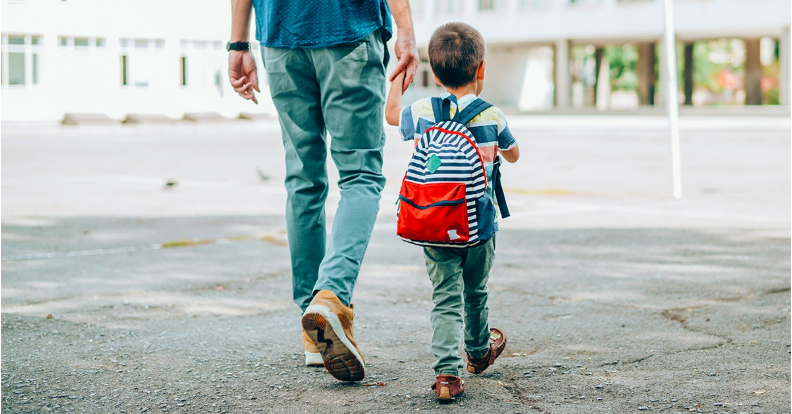
The whole-child approach means supporting children in every area of their development, including emotional, physical, social, and creative growth.
Emotional well-being is the foundation of our approach. We help children identify and express their feelings, build resilience, and develop confidence. By creating a safe and supportive environment where every child feels valued, children are better prepared to learn, grow, and form positive relationships.
Physical health: Our program promotes healthy habits through nutritious meals, daily movement, and plenty of opportunities for indoor and outdoor play. These experiences support children’s physical development while helping them establish healthy routines from an early age.
Social skills and relationships: Children learn to communicate, cooperate, solve problems, and build friendships with their peers. Through positive relationships with trusted adults, they also develop a strong sense of community, connection, inclusion and belonging.
Creativity: We encourage children to use their imagination and express themselves through art, music, movement, and play. Creative experiences help children explore new ideas, build confidence, and discover their unique interests and abilities.
We know that parents and families are a child’s first and most important teachers. That’s why we place a strong emphasis on building meaningful family partnerships. Our family engagement staff work closely with parents and caregivers to support every child’s learning and development. We offer regular communication about classroom activities and provide opportuinities for parents to attend events and workshops. Welcoming families to the learning process increase connection between the home and school and by default children feel connected.
The Role Of Teachers
Our teachers build trusting relationships with children and use daily observations to understand their strengths, interest and needs. This allows teachers to create meaningful learning experiences that support each child’s development. We understand that children develop at their own pace. When additional support is needed, teachers work with families and specialist to provide services that support each child.
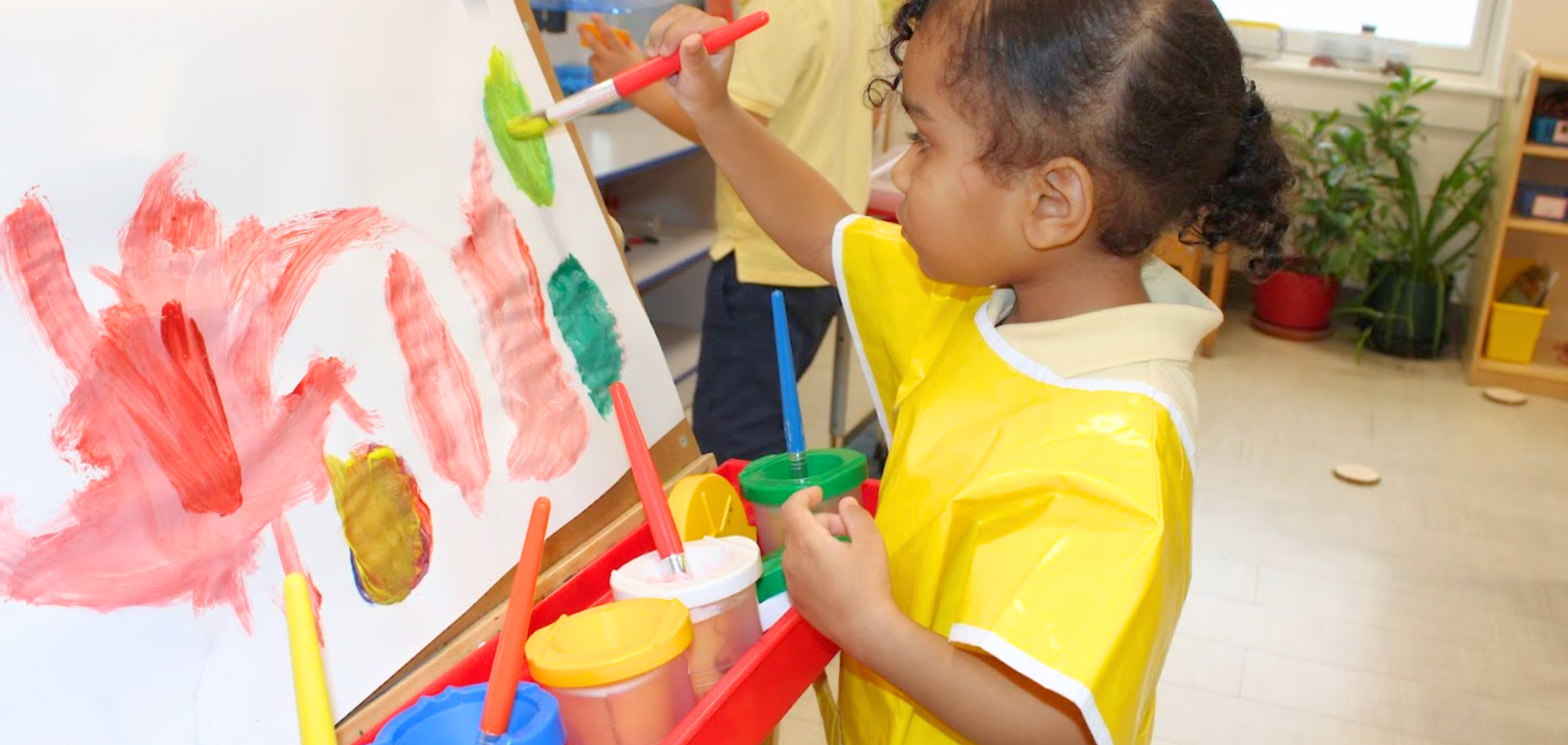
A Real-Life A child painting with classmates is doing much more than creating artwork. They are strengthening fine-motor skills, expressing emotions, making choices, communicating ideas, and learning to share materials.
Supporting the whole child means recognizing that learning, health, relationships, creativity, and family connection are all closely linked. By nurturing every part of a child’s development, we help children build the resilience, confidence, and skills they need to thrive.